
We were sitting on a couch in a small office six months after my daughter’s diagnosis with a terminal neuromuscular disease. We had been asked to schedule this meeting by our son’s child psychologist. We didn’t really know why we were there, but I didn’t like the uncertainty that hung in the air.
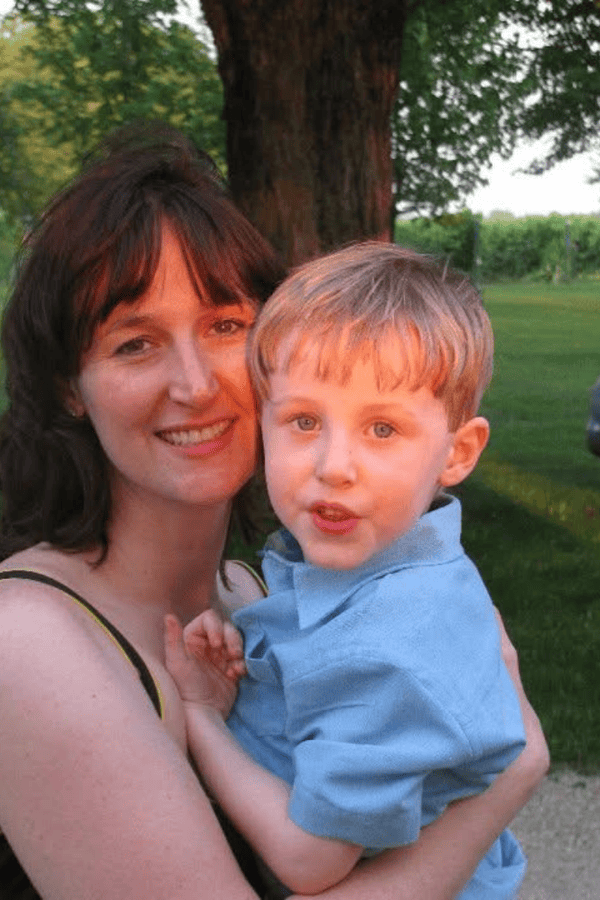
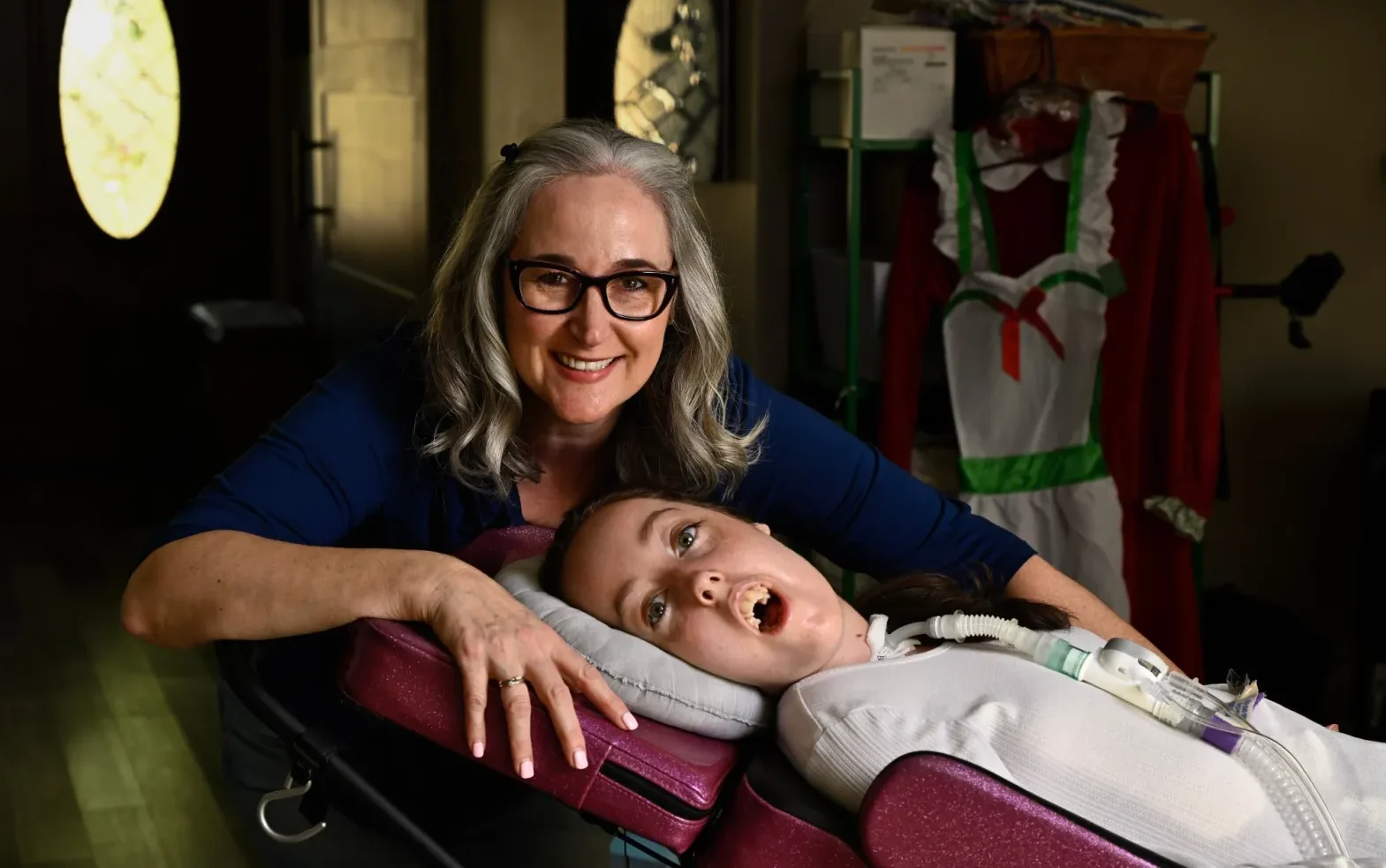
Five months prior, we had put our son in therapy because of his sister’s diagnosis. We knew that things were going to be different in our household as we navigated this new life of doctor’s appointments, machines, surgeries, hospitalizations, therapies, etc., and we wanted our son to have a safe place to process it all. I was very pre-occupied with learning how to take care of “Baby Sister” as my son called her, and my absence was acutely felt by that 4-year-old little boy.
The psychologist entered the room with a fairly flat affect and sat in the chair at her desk, facing us. She said that now that she had been seeing our son for almost six months, she thought it was time that we all met to discuss how things were going. She didn’t waste any time.
“It’s my professional opinion that Jacob has Asperger’s. It’s a form of Autism.”
My body was instantly flooded with emotion. Disbelief, anger, and confusion rushed in in a torrent.
It didn’t make sense – both because I didn’t really think he “seemed” autistic (whatever that means), and because I was still trying to learn how to keep my daughter alive and this just felt like too much. How dare she!
I made a decision in that instant that I did not agree with her – not necessarily because I thought she was wrong (she was actually a specialist in Autism, after all), but because I did not have the emotional bandwidth to deal with this. It was, therefore, easier to just pretend this could not possibly be true.
I wasn’t the only one on the denial train. My husband and I spent the drive home re-assuring each other that she was wrong, that this didn’t make sense, it didn’t “ring true,” and there was nothing to for us to do about it because our son did not have Autism.
That denial felt good. It felt safe. It felt justified. It gave me the space I needed to continue to focus on navigating my daughter’s terminal diagnosis without adding anything else to my plate.
Over time, though, the signs niggled at me. I had been taking my son with me to my daughter’s sessions with a pediatric/developmental physical therapist, which we had started months before her diagnosis. That specialist had told me that he had “noticed some things” with Jacob and asked me if I was open to him evaluating him. I said, “sure.” After that evaluation, he told me that he had “signs of autism,” and that he could say with confidence that he had Sensory Processing Disorder (SPD). So, we had already started him in occupational therapy for SPD months before the Autism diagnosis came.
There was also the speech delay. And the delayed toilet training. And the calls we were getting from the preschool about his unskilled social interactions with other kids. And he sure could get overstimulated and emotionally dysregulated easily … FUCK. Maybe he did have Autism. FUCK.
We ignored the diagnosis until we couldn’t anymore. The signs were there. The need for services and therapies was there. But I simply did not have the capacity to act on any of it at the time it was brought to my attention, so it sure felt easier to simply deny that any of it existed.
Slowly but surely, we added in the other supports he needed: speech therapy, occupational therapy, physical therapy, and eventually, ABA therapy.
I’ve made peace with the delay I caused in getting my son services. I was doing the best I could at the time. And today, I know that forgiving myself for not always showing up as a parent in the healthiest of ways is a part of this journey.
Man, it sure does feel like we are getting forged in the fire sometimes, though.